Process
Water + grain
Matanuska’s published brewing philosophy starts with Palmer water from deep local wells. For beer, malted grain and water are brought together in the mash, where grain starches become fermentable sugars.
How it comes together
A high-level look at the path through Matanuska’s brewing program. Individual recipes vary by beer, season, strength, and release.
Process
Matanuska’s published brewing philosophy starts with Palmer water from deep local wells. For beer, malted grain and water are brought together in the mash, where grain starches become fermentable sugars.
Process
The brewery operates an American-built, four-vessel, 40-barrel brewhouse. Wort moves through the hot side of the process, including separation, boiling, and hop additions according to the beer being made.
Process
After the wort is cooled, yeast does the defining work of fermentation. Different recipes and yeast choices help create the range between crisp lagers, hop-forward beer, fruit-forward releases, and stronger specialties.
Process
Beer is conditioned before it reaches the taproom or packaged-beer program. The exact path varies by release, but the goal stays the same: a stable, finished beer that tastes the way the brewery intended.
Process
Selected high-gravity beer takes a longer path through the Barrel Aged Reserve program. Matanuska maintains more than fifty barrels, including vessels that previously held bourbon, rye whiskey, rum, brandy, red wine, white wine, and more.
No one recipe
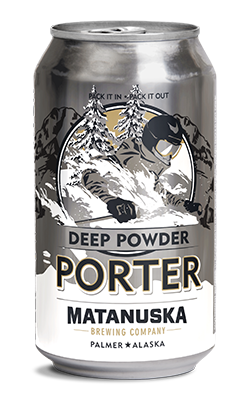
Matanuska’s published lineup spans wheat beer, IPAs, lager, porter, red ale, fruit beer, strong ale, hard seltzer, canned cocktails, sodas, and barrel-aged releases. Those products do not all follow one identical production path.
This page explains the beer process at a useful visitor level rather than publishing proprietary recipes, production schedules, or unverified batch parameters.